
5 min read · Updated October 23, 2026
Choosing the right makhana powder manufacturer in India decides the consistency of every batch you sell or process. Makhana powder, also sold as makhana flour, fox nut flour or popped lotus seed powder, is still a young ingredient category, and supplier quality varies widely. This guide gives importers, ingredient distributors and food manufacturers a practical checklist for shortlisting a makhana powder exporter before placing a first order.
1. Check where the makhana is sourced and processed
Most of India’s makhana (Euryale ferox) is grown in the ponds and wetlands of Bihar, particularly the Mithila and Seemanchal regions, which include districts such as Katihar, Purnia and Darbhanga. Mithila Makhana also holds a Geographical Indication (GI) tag. A manufacturer that processes close to where makhana is grown usually has better control over raw material selection and freshness.
Ask the supplier:
- Where is the makhana sourced, and where is it ground into powder?
- Do they run their own processing unit, or do they trade powder made by others?
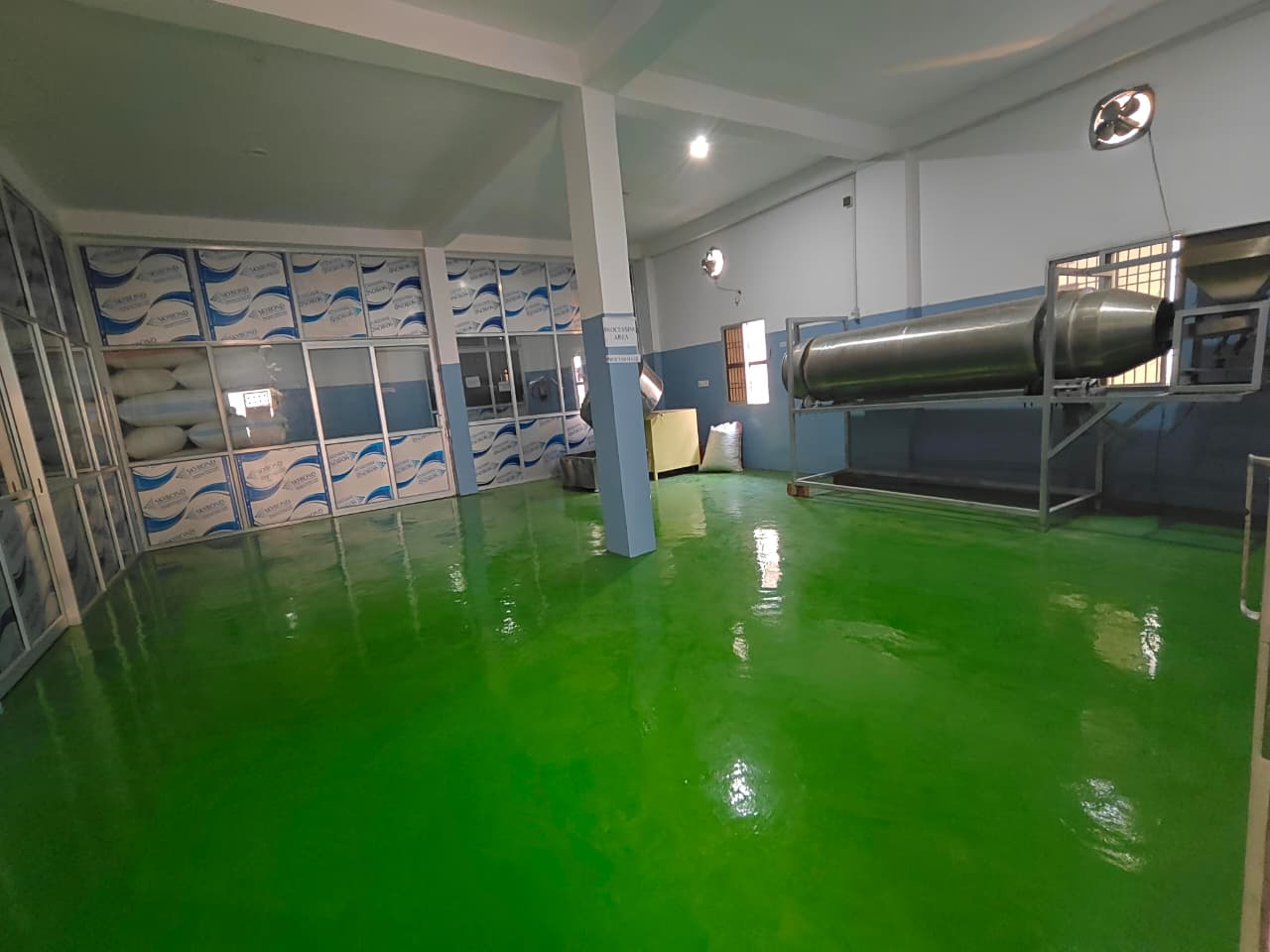
- Can they share photographs or a video of the facility?
2. Ask for a written makhana powder specification
A serious manufacturer will put the basics in writing. At minimum, the specification should cover:
| Parameter | Why it matters |
|---|---|
| Moisture content | Affects shelf life and caking. Many buyers ask for a maximum limit, such as 8%. |
| Colour | Makhana powder is usually off-white to cream white; colour consistency matters for finished products. |
| Particle size / mesh | Determines texture in bakery, premixes and beverages. |
| Grade | Suppliers often offer more than one grade; ask what separates them. |
| Pack sizes and MOQ | Tells you whether the supplier fits your order volume. |
If your market needs extra parameters or test reports, list them before the quotation stage. You can see how we present ours on our makhana powder specification page.
3. Verify company certifications and registrations
For export, the documents behind the supplier matter as much as the powder. Common registrations for an Indian makhana powder exporter include:
- FSSAI licence – India’s food safety licence.
- IEC (Import Export Code) – required to export from India.
- APEDA registration – for agricultural and processed food exporters.
- Food safety and quality systems – such as ISO 22000, ISO 9001 or GMP.
- USFDA facility registration – needed for food shipments to the United States.
Ask for copies and check that they are current and issued to the same company you are paying. A registration covers the company or facility; it is not an approval of a specific product.
4. Test samples in your own formulation
Makhana flour behaves differently in bakery, extrusion, porridge mixes and drinks. Before committing to volume, ask for a sample of the exact grade you plan to buy and test it in your own process. Note the moisture, colour, aroma and how the powder mixes. Keep the sample as a reference to compare against later shipments.
5. Confirm packaging, MOQ and labelling
Check whether the supplier can pack in the sizes you need, from small retail-ready packs to 20 kg bulk bags, and what the minimum order quantity is. For export, confirm who handles labelling for your market, since label rules differ between the USA, EU, UK, GCC and Asia.
6. Ask about export experience and documents
An experienced makhana powder exporter should explain clearly which documents come with the shipment, such as the commercial invoice, packing list, certificate of origin and any health or phytosanitary certificates your country requires. Ask which countries they already ship to and which commercial terms (for example FOB or CIF) they quote on. HS code classification for makhana products varies by form, so confirm it with the supplier and your customs broker.
7. Judge communication and transparency
Fast, specific answers are a good sign. Be careful with suppliers who quote a price before asking about grade, quantity and destination, or who make broad health claims they cannot document.
Quick checklist for makhana powder buyers
- Processing unit in a makhana-growing region such as Bihar
- Written specification: moisture, colour, particle size, grade
- Current FSSAI, IEC and APEDA, plus food safety certifications
- Sample tested in your own formulation
- Pack sizes, MOQ and labelling that fit your market
- Clear export documents and existing shipments to your region
Frequently asked questions
Where is most makhana produced in India?
Most of India’s makhana is grown in Bihar, especially in the Mithila and Seemanchal regions. Mithila Makhana holds a GI tag.
Is makhana powder the same as makhana flour or fox nut flour?
Yes. These are different market names for finely ground makhana (Euryale ferox).
Which documents should a makhana powder exporter have?
At minimum an FSSAI licence, IEC and APEDA registration. Many buyers also look for ISO 22000, ISO 9001 or GMP, and USFDA facility registration for shipments to the USA.
Should I test a sample before ordering makhana powder in bulk?
Yes. Test the exact grade in your own formulation and keep the sample as a reference for future shipments.
Source makhana powder directly from Bihar
Makhana Powder by Moso Foods (National Makhana Udyog, powered by Moso International Private Limited) is a makhana powder manufacturer and exporter in Katihar, Bihar. We supply Super Premium, Premium and Classic grade makhana powder in 1–20 kg packs from a 50 kg minimum order, and export to 23 countries. Request a quote or sample and our team will go through your requirements.
Need makhana powder for your business?
Super Premium, Premium & Classic grade makhana powder from Katihar, Bihar. MOQ 50 kg, private label available, export to 23 countries.
Request a Quote → WhatsApp Us